
Fall flavors invite warmth, but a good bake still needs balance. Cinnamon can dominate a subtle batter, apples bring variable moisture, and pumpkin products are not all the same. Start with a clear idea and a reliable formula, then let a small number of ingredients carry the seasonal character.
Give each flavor a purpose
Choose whether spice, fruit, or a contrasting finish should lead. Cinnamon can support a vanilla base or complement an apple filling without becoming the only flavor a person notices. A small finishing accent is a different decision from changing the entire batter.
Use the quantities in a dependable recipe when learning a new combination. Repeatedly adding spice to a finished mixture makes it difficult to describe or reproduce the result. Record any adjustment as a recipe-development change rather than presenting it as an established formula.
Read the pumpkin label
Plain pumpkin purée and a sweetened, seasoned pie filling are not equivalent ingredients. Read the product label and use what the recipe specifies. A fresh preparation and a canned preparation may also behave differently.
If the formula needs a particular consistency, follow its preparation steps before mixing. Do not try to correct every difference with extra flour after the fact. Label and refrigerate opened ingredients according to their instructions, and keep a note of what you used.
Prepare apples for the chosen format
Slices, small pieces, and a cooked filling serve different purposes. A recipe’s cutting and cooking instructions help control how the fruit is distributed and how it releases moisture. Follow those instructions before assuming any apple preparation will work in the same way.
Choose fruit in good condition and prepare it with clean tools. For an experiment, record the variety and preparation method. That lets you compare batches meaningfully without claiming that a single variety is always the best choice for every dessert.
Keep the presentation and storage coherent
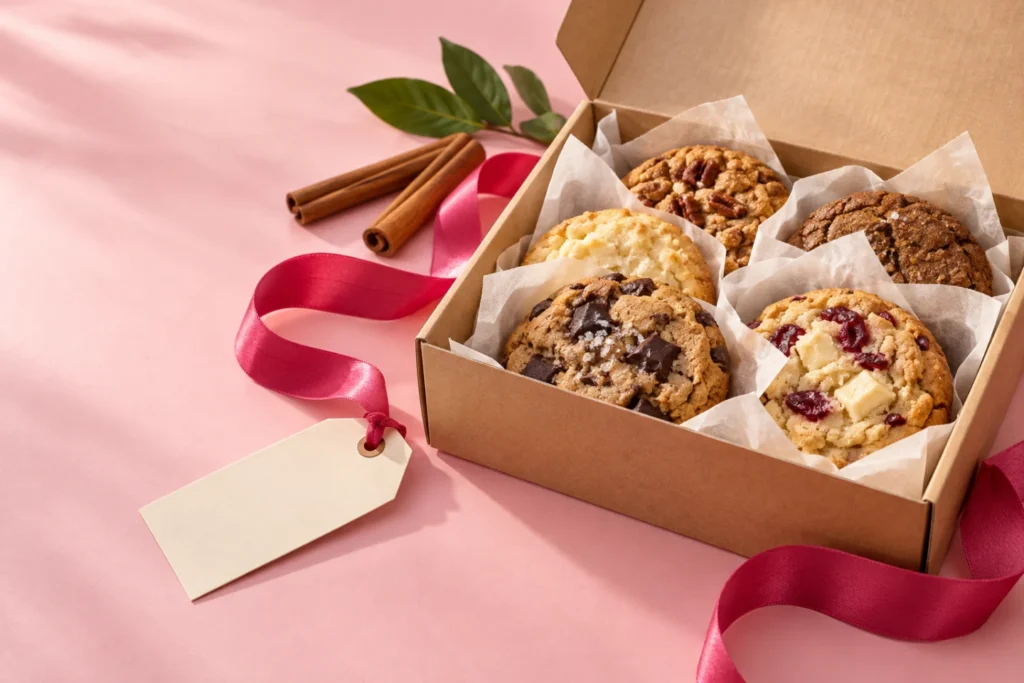
Warm cream, brown paper, and a restrained seasonal accent can communicate fall without covering a dessert in decoration. Make garnishes appropriate to the dish and the serving environment. An attractive food image is inspiration, not proof that a recipe has been validated.
A pumpkin dessert with a custard-like filling needs a different storage plan from a plain dry cookie. Follow the complete recipe and relevant food-safety instructions. When gifting or transporting the bake, communicate its handling needs along with its flavor description.
Put it into practice
- Choose a lead flavor and a supporting accent.
- Distinguish pumpkin purée from prepared pie filling.
- Follow the specified fruit preparation and record substitutions.
- Choose storage for the actual finished dessert, not the season.
Fall baking is most satisfying when the warmth of the flavors rests on sound technique. A focused combination, careful labels, and a suitable storage plan make the seasonal idea easier to repeat.
References & further reading
References inform factual checks and further reading; article wording and development commentary are original. Recipe drafts are not kitchen-tested.